Wash process
Car Wash Presoak: The Operators Guide
Learn how high pH and low pH presoaks work, two-step wash chemistry, dilution best practices, and how to choose the right car wash presoak.
Quick answer: what is a car wash presoak?
A car wash presoak (also written car wash pre soak) is the first chemical applied to a vehicle in a commercial wash. It loosens road film, bugs, grease and mineral soils before brushes or high-pressure water reach the paint. Most operators run a two-step presoak, a high-pH alkaline step and a low-pH acidic step, each dwelling 10 to 12 seconds.
Last updated October 16, 2026
A car wash presoak is the most important chemical step in the entire wash process. It does the heavy lifting before brushes, cloth, or rinse water ever touch the vehicle. Without strong first-step chemistry, every stage that follows works harder and cleans less.
Jump to a section
Key Takeaways:
- Presoak is the first and most important chemical step — it does the heavy lifting before brushes or rinse water touch the car
- High pH (alkaline) targets organic soils: road film, grease, bugs. Low pH (acidic) targets mineral soils: hard water spots, brake dust, road salt
- The two-step process (alkaline + acidic) is the industry standard for the deepest clean
- Aim for 10–12 seconds of dwell time per step
- Water quality directly affects chemical performance — hard water cuts cleaning power
The basics
What Is a Car Wash Presoak and Why Does It Matter?
A car wash presoak is the first chemical applied to a vehicle before the main wash cycle starts. It holds surfactants and builders that crack the bond between dirt and the painted surface. Once that bond breaks, soils lift free and rinse away with far less effort.
Notably, this first step is not the same as your main wash soap. Soap handles cleaning during the brush or rinse stage. The opening chemistry comes before that — it soaks in, loosens, and starts to dissolve road film so the soap can finish the job. In other words, think of it as the prep that makes every later step more useful.
In the wash flow, this stage sits right at the front. The order goes: first-step chemical, dwell time (the formula sits and works), rinse, then soap and the main wash. Consequently, if you skip or under-dose this opening step, the soap carries the full load. That leads to dirty cars and unhappy drivers.
Compare high-pH vs low-pH presoak chemistry ›
Car Wash Presoak Application Methods

Tunnel
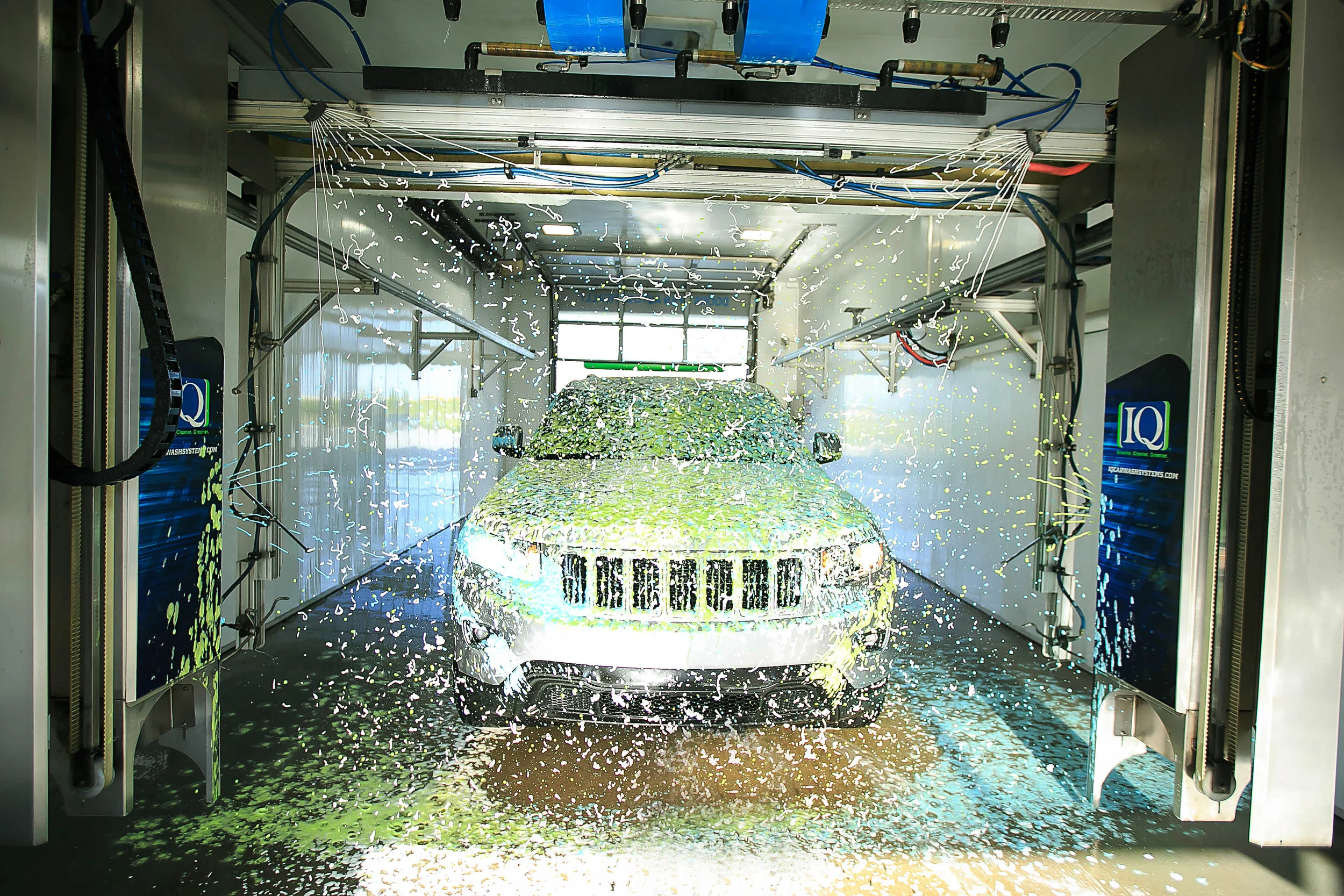
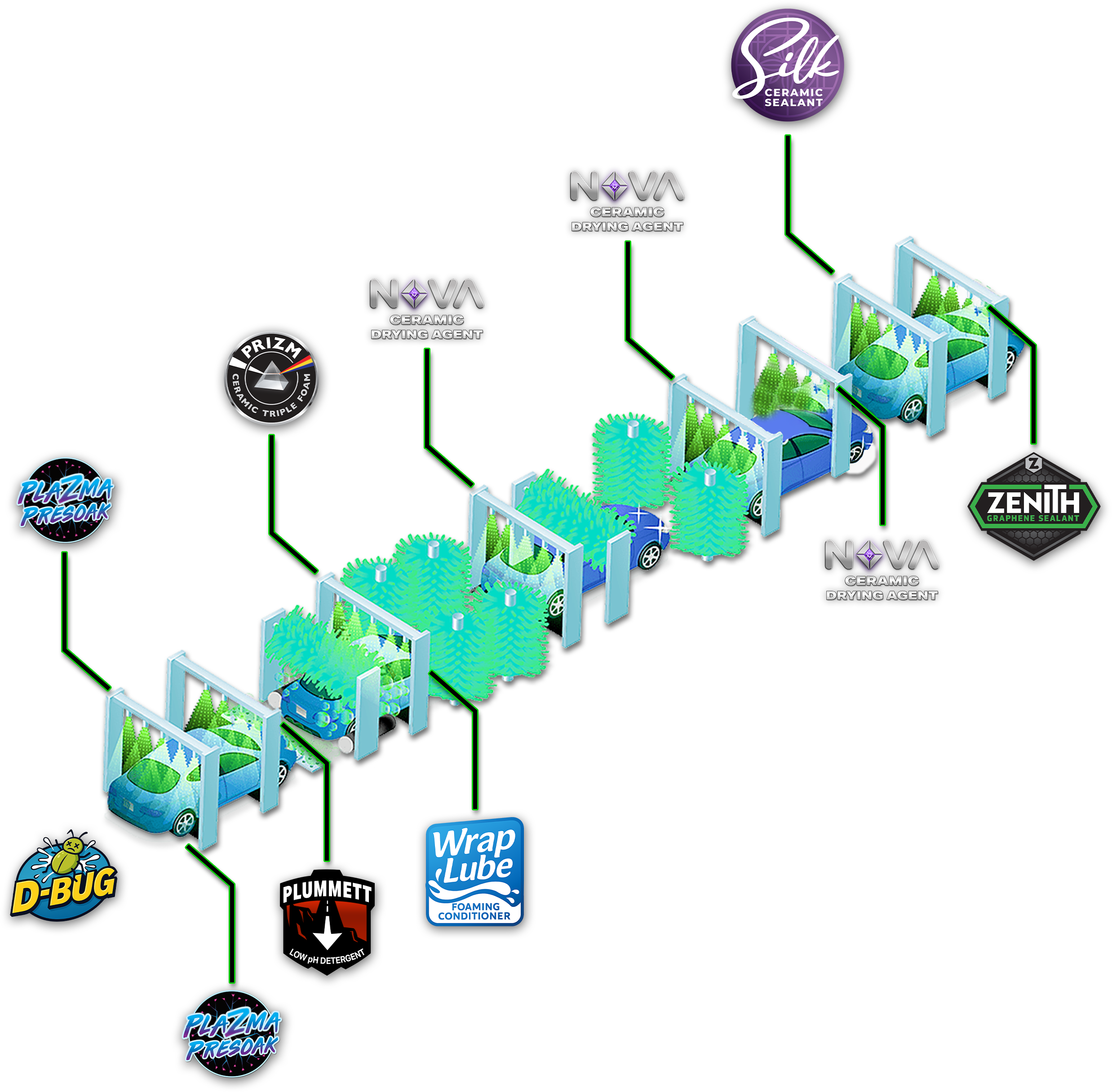
How this chemistry reaches the car depends on your setup. In a tunnel car wash, it sprays through an overhead arch with nozzles as the car rides the belt. Most tunnels run two arch spots — one for the alkaline step and one for the acidic step.
In-Bay
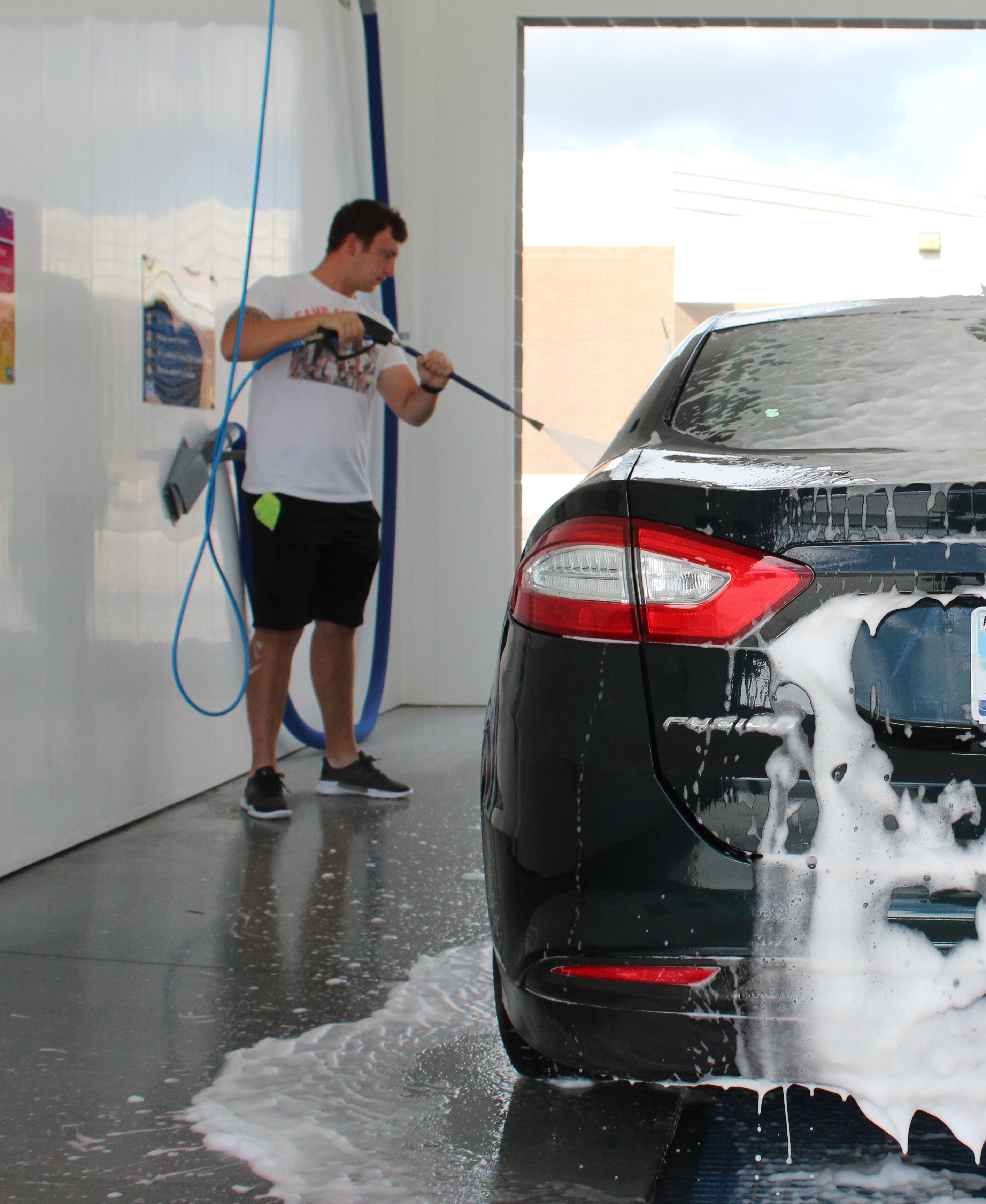
Meanwhile, in-bay units use nozzles on a moving arm that sweeps around the parked car. The cleaner goes on in passes, covering the full body each time.
Self-Serve
In self-serve bays, the driver applies it through a foam gun or wand. Thick, visible foam matters here — it tells the driver the product is working, which builds value and brings them back.
Pressure
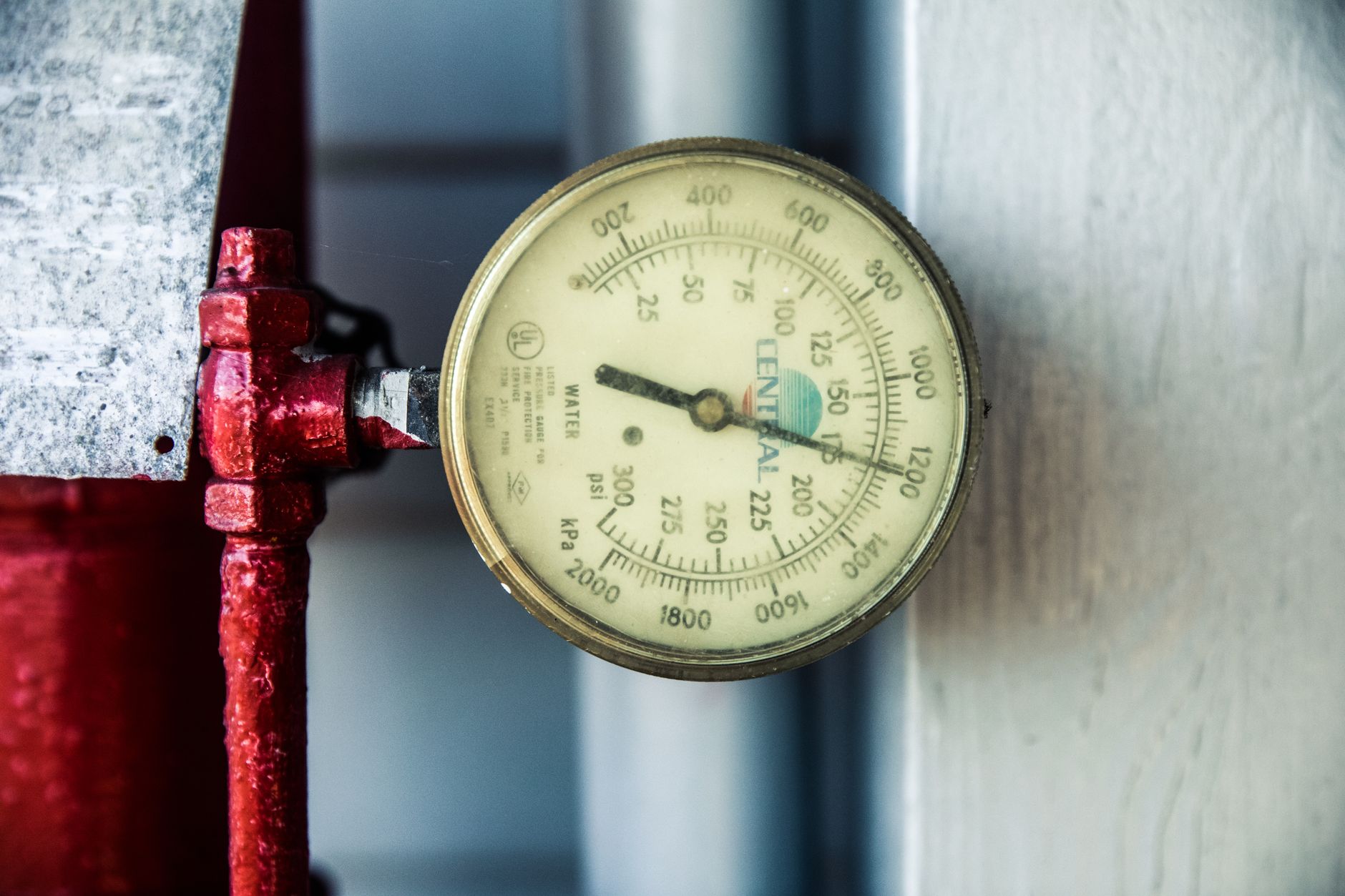
On top of that, spray pressure plays a role. High pressure helps the cleaner reach heavy grime in crevices near trim and badges. Low pressure makes thicker foam that clings to flat panels like doors and fenders, giving more contact time on the surface.
High pH
High-pH Presoak: Cutting Through Organic Soils
If your site handles a lot of cars with thick organic grime, a strong alkaline first step should anchor your chemical program.
10 – 13
pH range
Organic
Soil target
Two-Step
Cleaning action
First is fat breakdown. Alkaline builders react with grease and fats, turning them into compounds that dissolve in water.
Second is oil lift. Surfactants in the mix wrap around oil-based dirt, breaking it into tiny drops that float in water and wash away. Each molecule has one end that grabs oil and another that grabs water.
When to Lead with Alkaline Presoak Chemistry


Low pH
Low pH Presoak: Removing Mineral Soils
Low pH formulas or acidic cleaners target hard water spots, calcium scale, brake dust, road salt film, rust bits, and heavy clay that alkaline chemistry can’t handle well. For a side-by-side comparison, see when to choose low-pH vs high-pH presoak.
1 – 4
pH range
Mineral
Soil target
Dissolve
Cleaning action
Mineral soils bond to surfaces through crystal growth and rust-type reactions. Acidic car wash chemistry dissolves those bonds, freeing the buildup so it rinses clean.
Some low pH formulas hold HF acid, which removes minerals very well but calls for careful handling — strict safety rules, good airflow, and full safety gear. Non-HF acidic formulas offer a safer choice with slightly less bite. Weigh your soil load against your safety needs when picking between the two.
When to Lead with Acidic Presoak Chemistry
Washes in hard water areas deal with nonstop mineral buildup. If your tap water carries high calcium or magnesium, cars show up already coated in mineral film from rain, sprinklers, and past washes.
Furthermore, salt belt states — the Midwest and Northeast — face heavy road salt through winter. Brine and salt leave white crust and crystal marks that only acidic chemistry can clear. Job sites near heavy digging also kick up dense clay and mineral dust.
For these conditions, Blast Off and Fury from CarWashSoap.com bring the acidic cleaning power needed for tough mineral soil removal.


Two-step process
The Two-Step Car Wash Presoak Process
The best car wash sites pair both alkaline and acidic formulas in a two-step sequence. This dual-chemistry method delivers results that no single pH level can match. Each step goes after a different soil type, and the pairing cracks more bonds than either formula on its own.
When alkaline and acidic solutions hit the car in sequence, the pH shift across the surface breaks a wider range of bonds. The alkaline step breaks down organic grime that resists acid. Then the acid step dissolves mineral buildup that resists alkaline. Together they cover soil types that neither step handles alone.
This method also preps the surface for what comes next in the wash tunnel. After both steps and the rinse, the surface is clean and neutral. Soaps bond better, and sealants stick more evenly.
At the same time, drying agents spread with less streaking. Every product down the line works better because the opening chemistry did its job.
Which Presoak pH Step Goes First?
Operators often ask: should the alkaline or acidic step lead? The answer depends on your site. There’s no single right order — the best sequence varies by region, water quality, and the main soil type you face.
The acid-first method puts the low pH formula on first to tackle mineral deposits and salt, then follows with the alkaline step to strip organic soils. This works well in hard water zones and salt belt areas where mineral grime is the biggest issue.
Conversely, the alkaline-first method starts with the high pH step to cut heavy road film and grease, then follows with the acid step to brighten the surface and clear the remaining mineral marks. This fits better where traffic film and bug loads dominate.

Best practice: run both orders at your site for a week each under similar conditions. Compare how clean the cars come out, what drivers say, and how much product you use. Your local soil mix will show which order wins.
Presoak Dwell Time: How Long Should the Chemistry Sit?
Dwell time is the time between when the chemical goes on and when the rinse hits. During this window, agents soak into the dirt, break bonds, and float the soil for removal.
Aim for 10 to 12 seconds per step. That’s enough contact time without causing new issues. If dwell is too short, the formula hasn’t soaked in fully. Dirt stays stuck, and the main wash picks up the slack. You end up with uneven cleaning and more re-washes.
On the other hand, if dwell runs too long, the solution may dry on the car before the rinse reaches it. Dried chemistry leaves streaks, marks, and can hurt the finish. In tunnels, dwell depends on belt speed and arch spacing. In IBAs, it depends on cycle timing.
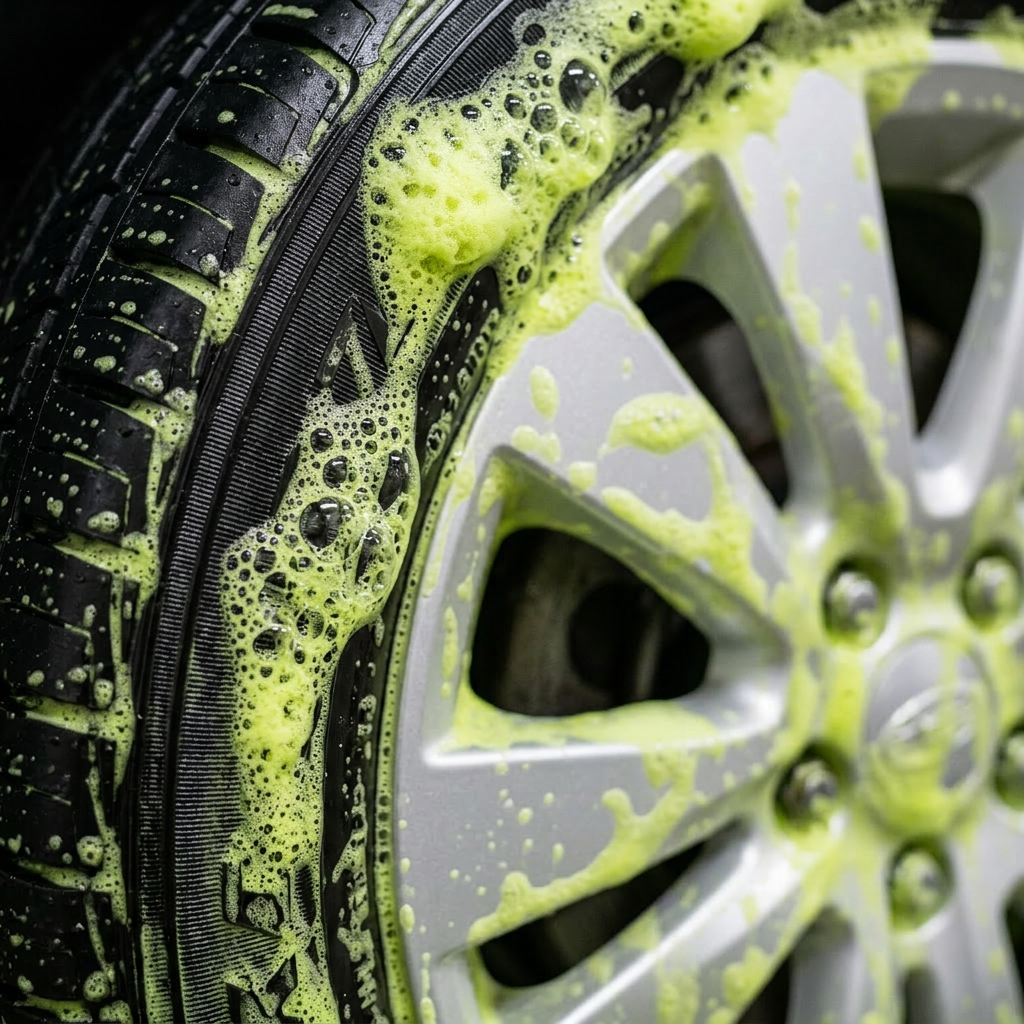
Watch the weather closely. Hot, dry days call for shorter dwell or more rinse water to keep the surface wet until the rinse stage hits.
Wash type
Matching Your Car Wash Presoak Program to Your Wash Type
Not every formula works the same in every setup. The right pick depends on your wash format, local soil profile, and water quality.
Tunnel, In-Bay, and Self-Serve Setups
Tunnel car washes push high volume at speed. They run set arch spots for each chemical step, with belt speed setting the dwell time. Formulas need to act fast and rinse clean. Foam matters less in tunnels since drivers don’t see the first chemical stage.
In contrast, touchless in-bay washes rely only on chemical action and water pressure — nothing touches the car. Without brushes, the chemistry carries the full cleaning load. As a result, touchless car wash programs need stronger formulas to make up for the lack of friction.
Similarly, self-serve bays are driver-run, and thick foam is key. Drivers link big, visible foam with cleaning power. A formula that looks like it’s working drives repeat visits.
| Wash type | How presoak goes on | What the chemistry must do | Where to start |
|---|---|---|---|
| Express tunnel | Overhead arch spots as the car rides the belt; belt speed sets dwell | Act fast and rinse clean; foam matters less | Plazma high-pH, Blast Off low-pH |
| Touchless in-bay | Nozzles on a moving arm, applied in passes around the parked car | Carry the full cleaning load, so run stronger formulas | Plazma + Blast Off two-step |
| Self-serve bay | Driver applies it with a foam gun or wand | Thick, visible foam that shows the product working | Purple Presoak |
Regional Soil Profiles and Seasonal Chemical Adjustments
Where you are shapes which soils show up and how to adjust your program through the year.
Salt belt washes in the Midwest and Northeast face heavy road salt and brine from late fall through early spring. Therefore, seasonal car wash chemical shifts matter here — a stronger acidic step during cold months dissolves salt and stops surface harm.
By contrast, sun belt washes in the Southwest deal with lighter mineral loads but more organic grime. Bug splatter, tree sap, and bird waste are year-round issues best handled with strong alkaline chemistry.
Farm-area washes face their own mix. Heavy clay, field dust, and crop debris build up thick soil layers. Accordingly, bumping up chemical strength during harvest keeps pace with the heavier loads.
Water quality
How Water Quality Shapes Your Car Wash Presoak Results
Water quality is one of the most missed factors in wash results. The same formula can clean great at one site and fall flat at the next. Often, the gap comes down to what’s in the water.
Hard water holds high levels of calcium and magnesium. These minerals react with surfactants, binding with them and cutting their cleaning power. Because of this, the formula must run at higher strength to reach the same clean. Hard water also kills foam, which hurts value in self-serve bays.
Soft water, by comparison, gives the best results. Surfactants work at full strength, foam stays thick, and cleaning is more even. Sites with hard water should look at softening gear for their chemical supply lines.
Reclaim water adds more to think about. Operators who run recycled water systems need reclaim-safe car wash chemicals, since these systems carry leftover compounds and dissolved solids from past cycles. Standard formulas may lose power when mixed with reclaim water.
If your site runs a water recycling system, pick products made for that setup. CarWashSoap.com’s formulas are made biodegradable to clean well in reclaim systems. Running the wrong chemistry in a reclaim setup can lower wash quality and cause gear headaches down the line.
Dilution
Car Wash Presoak Dilution Ratios, Dosing, and Cost Control
How strong you mix your chemicals has a direct effect on cleaning. Too weak and the formula can’t crack soil bonds. Too strong and you burn through product with no real gain.
Typically, car wash formulas run in a dilution range of 90:1 to 300:1 (parts water to parts concentrate). The sweet spot depends on your soil load, water quality, and the product itself. Each product’s recommended ratio is on its data sheet.
When sizing up suppliers, ask for three ratios: max strength for the heaviest soil days, a standard ratio for normal daily use, and a light ratio for low-soil periods.
Also, shift with the seasons. During heavy-soil months — winter salt, summer bugs, fall harvest near farmland — push your strength toward the max ratio. During lighter months, pull back to standard or light levels.
Steady dosing matters just as much as the ratio. Hand mixing leads to swings that change wash quality day to day. Instead, dosing gear like injectors and metering pumps lock in the ratio and remove guesswork so every car gets the same treatment. Storing bulk chemistry in the EZ System also removes manual mixing and spills.
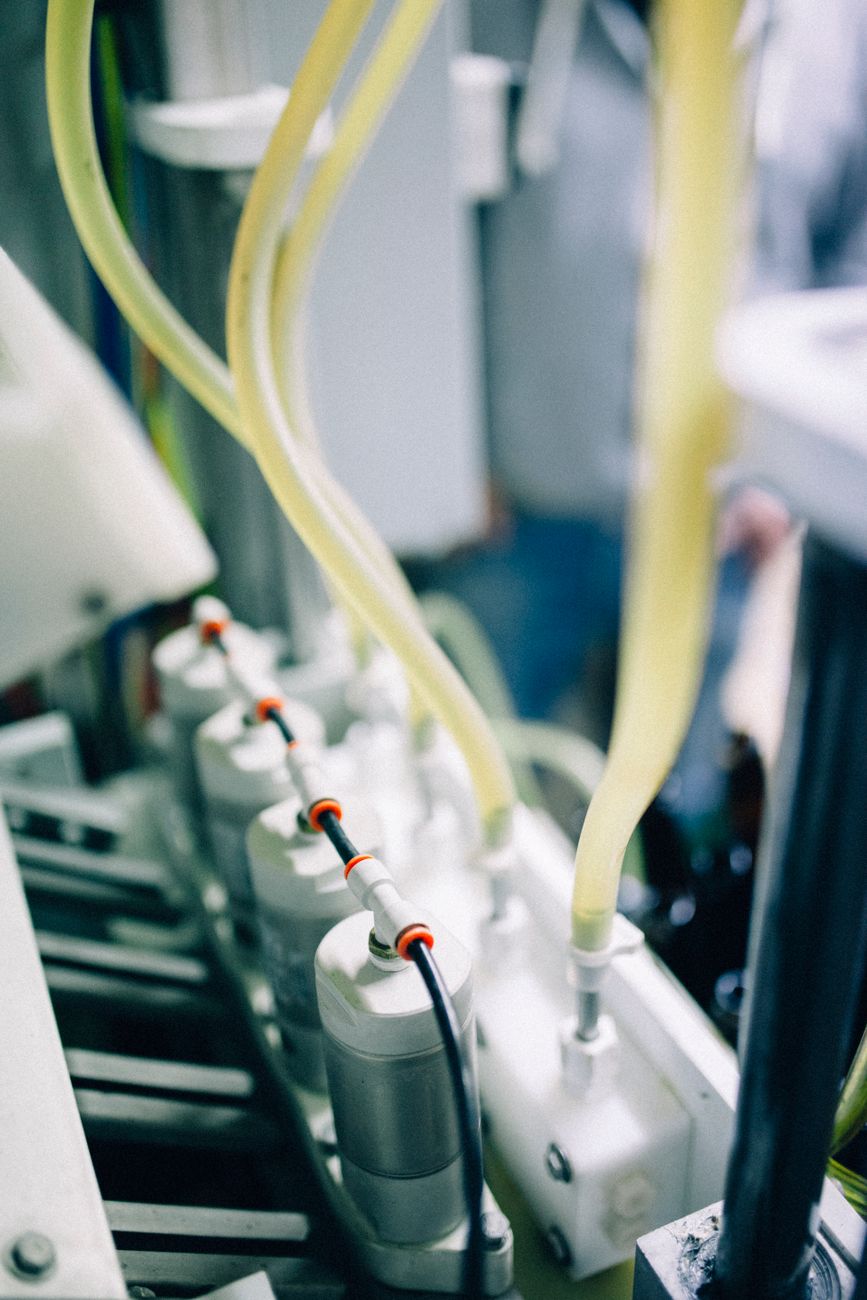
Finally, watch your product usage against wash count. A sudden jump in usage without more cars may point to a dosing problem, a line leak, or a shift in water that needs a look.
Troubleshooting
Fixing Common Car Wash Presoak Problems
Even a solid program hits bumps. Here are the most common issues and how to find the cause.
| Problem | What to check and how to fix it |
|---|---|
| Cars still dirty after the first chemical step | Start by checking your mix ratio against what the maker says. Next, make sure your dosing gear works right. Then see if belt speed or cycle timing has changed. Also test your water hardness — a quiet shift in mineral levels can cut cleaning power fast. |
| Streaks or dried marks on cars | The formula is drying before the rinse gets there. Check the air temp first. On hot days, shorten dwell time, add more rinse water, or move arch spots so the surface stays wet until the rinse stage hits. |
| Thin or weak foam | Foam depends on surfactant action and water quality. Test hardness before anything else — high mineral levels crush foam. If the water is fine, check your feed. A clogged tip or weak pump may be cutting the flow. |
| Seals or fittings wearing out | Low pH acidic formulas eat parts that aren’t rated for them over time. Make sure all seals, gaskets, tips, and fittings in the chemical path can handle the pH range of your product. Swap worn parts for ones rated for chemical contact. |
| Customers complain about spots | Spots that survive the full wash are almost always mineral marks. That points to too little acidic cleaning in your two-step process, or hard water in the final rinse. Boost the low pH step and check if a spot-free rinse system would help. |
FAQ
Car Wash Presoak FAQ
What dilution ratio should a car wash presoak run at?
Most car wash presoak formulas run between 90:1 and 300:1 (parts water to parts concentrate). Push toward the stronger end on heavy-soil days, pull back in lighter months, and use injectors or metering pumps so every car gets the same ratio.
Do I need both alkaline and acidic steps?
Yes. A two-step process using both pH levels gives the deepest clean. Each chemistry handles different soil types, and the combo beats either step on its own.
How long should each presoak sit on the car?
Aim for 10 to 12 seconds per step. That gives the formula enough time to soak in and loosen soils. However, cut dwell shorter on hot, dry days so the product doesn’t dry on the surface.
Are car wash presoak formulas safe for all finishes?
When mixed right and rinsed fully, these chemicals are safe for all standard finishes. Stick to the maker’s mix ratios and make sure the rinse stage clears the surface.
Does water quality change how well my chemicals work?
Absolutely. Hard water cuts cleaning power by binding with surfactants. Soft water gives the best results. If you’re in a hard water area, look at water softening gear for your chemical lines.
Can I run standard wash chemicals in a reclaim water system?
Only if the maker designed the product for reclaim use. Standard formulas may lose power in recycled water. CarWashSoap.com makes all their formulas for recycled water setups, so it holds up where standard formulas don’t.
Related guides: What chemicals do you need to run a car wash? · High-pH vs low-pH presoaks · Triple foam polish vs conditioner · What is a car wash drying agent?
Car wash chemicals by wash type: Express tunnel car wash chemicals · In-bay automatic car wash chemicals · Self-serve car wash soap · Truck wash soap for fleets
Build a Presoak Program Around Your Wash
Reach out to CarWashSoap.com for a program built around your needs.
